
 Image 1 of 1
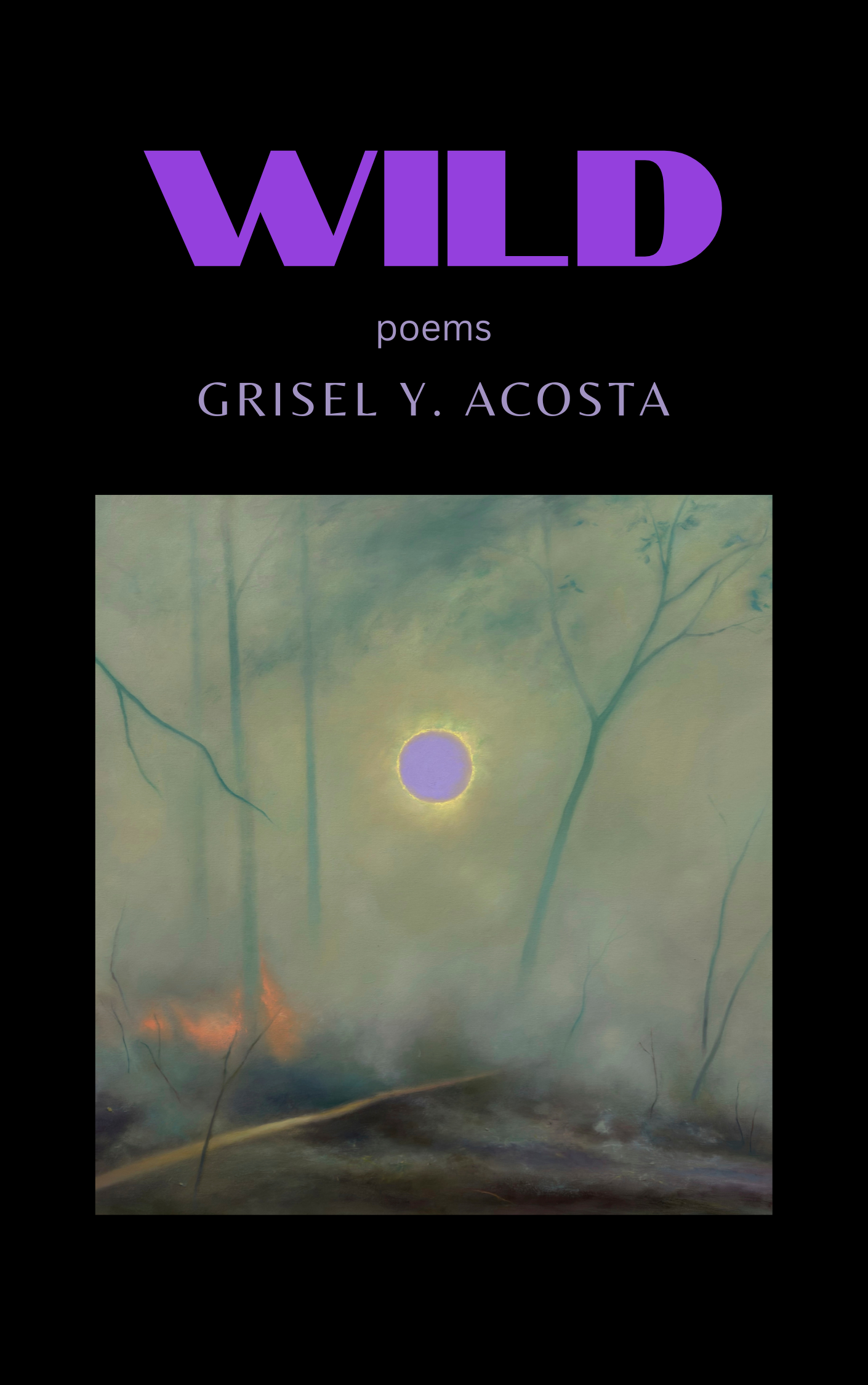
Wild unites poetry explorations in three spheres: nature, gender, and mental health. The poetics are especially focused on the reactions wildness inspires, noting how women and queer folk are treated and the effects of suppression, alongside the similar effects of parallel taming in nature and within the mental health system. We find poems that both exalt the healing effects of allowing people, nature, and minds to exist freely, as well as poems condemning the ways in which we are harming our world and communities. This is an irreverent collection that celebrates rebellion against sexism, destruction of nature, and harmful medical practices. Poems like demonstrate “Opium and Arsenic” how women’s bodies continue to be made sick because of practices that make our environments sick, showing that these systems of harm overlap. At the same time, poems like “Chicama” promote mental well-being by incorporating the rhythms of a consistent and reliable space in nature. Ultimately, the goal of the collection is to promote awareness of the value of women and queer folk, of natural settings, and of good mental healthcare, and how these spheres go hand-in-hand. This message of hope is created with the rhythms of punk outsider music, Latinx culture, and irreverent humor.
Wild unites poetry explorations in three spheres: nature, gender, and mental health. The poetics are especially focused on the reactions wildness inspires, noting how women and queer folk are treated and the effects of suppression, alongside the similar effects of parallel taming in nature and within the mental health system. We find poems that both exalt the healing effects of allowing people, nature, and minds to exist freely, as well as poems condemning the ways in which we are harming our world and communities. This is an irreverent collection that celebrates rebellion against sexism, destruction of nature, and harmful medical practices. Poems like demonstrate “Opium and Arsenic” how women’s bodies continue to be made sick because of practices that make our environments sick, showing that these systems of harm overlap. At the same time, poems like “Chicama” promote mental well-being by incorporating the rhythms of a consistent and reliable space in nature. Ultimately, the goal of the collection is to promote awareness of the value of women and queer folk, of natural settings, and of good mental healthcare, and how these spheres go hand-in-hand. This message of hope is created with the rhythms of punk outsider music, Latinx culture, and irreverent humor.