 Image 1 of 3
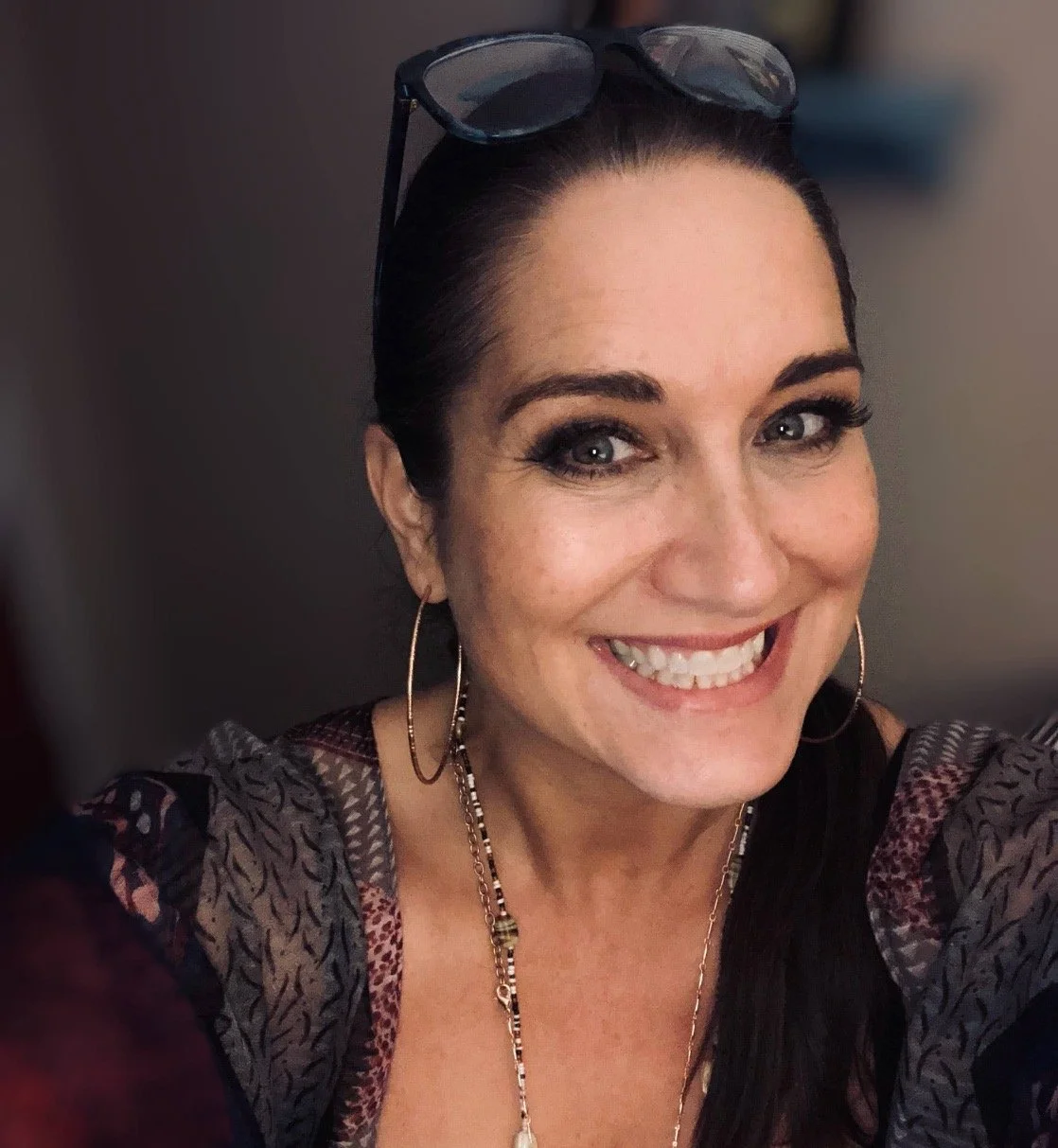 Image 2 of 3
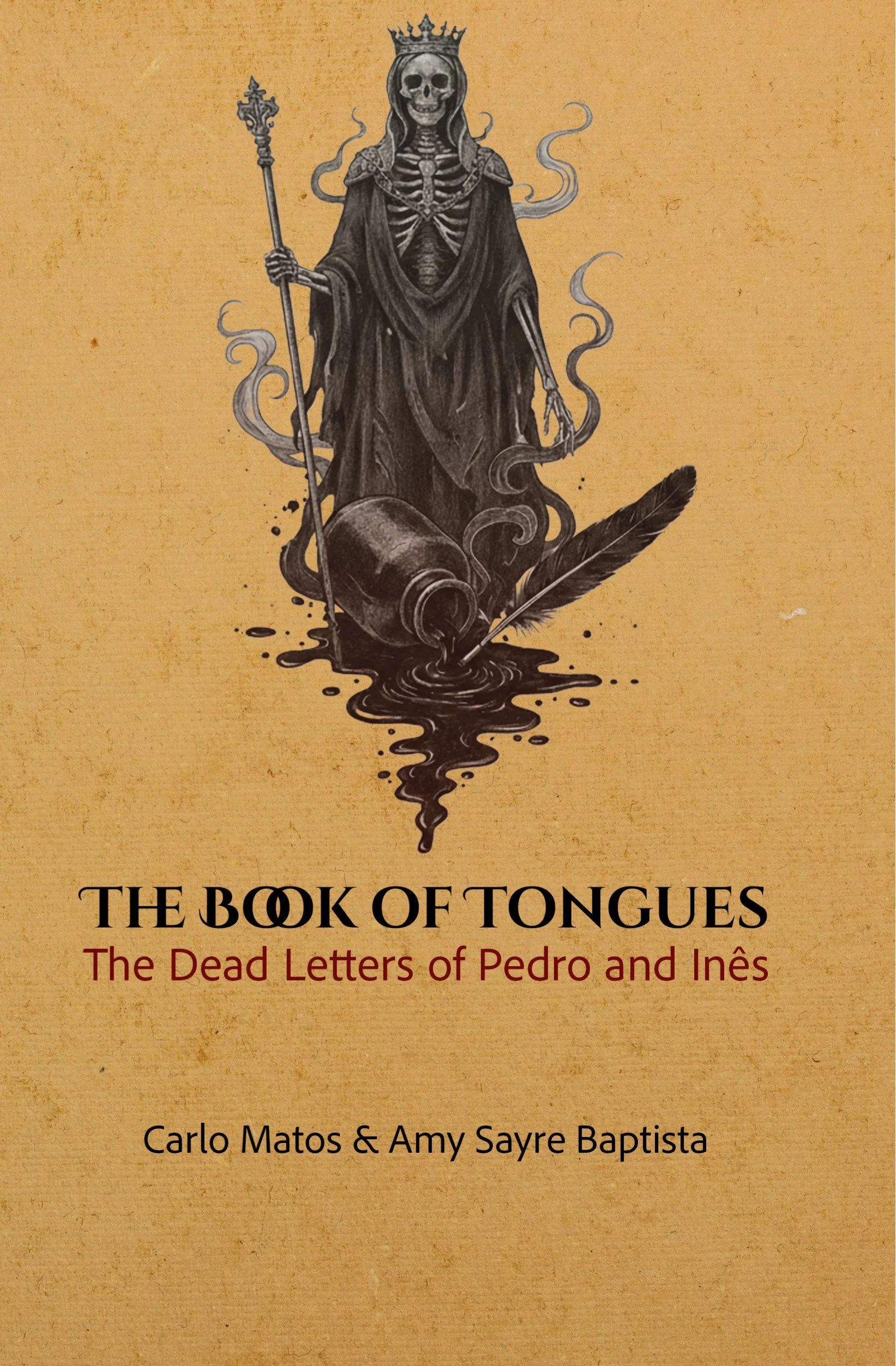 Image 3 of 3
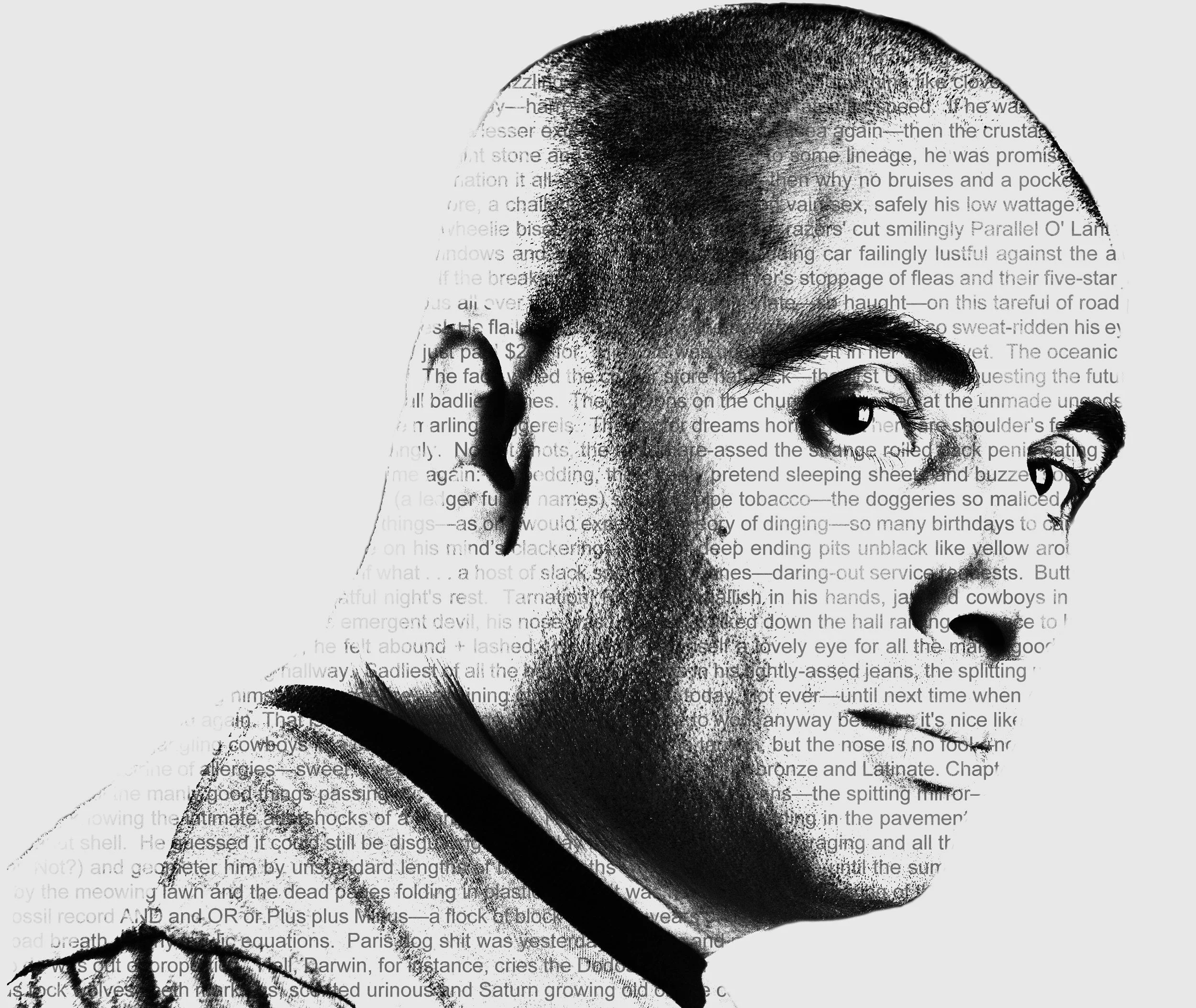
Carlo Matos is a bi+/poly author who has published 13 books, including We Prefer the Damned (Unbound Edition Press) and As Malcriadas or Names We Inherit (New Meridian, 2022). His poems, stories, essays, and reviews have appeared in such journals as Hobart, Rhino, PANK, DMQ Review, and Diagram, among many others. His books have been reviewed in such places as Kirkus Reviews, Boston Review, Iowa Review and Portuguese American Journal. Carlo has received grants and fellowships from Disquiet ILP (Portugal), CantoMundo, the Illinois Arts Council, the Sundress Academy for the Arts, and the La Romita School of Art (Italy). He is a founding member of the Portuguese American writers collective Kale Soup for the Soul and a winner of the Heartland Poetry Prize. He currently lives in Chicago, is a professor at the City Colleges of Chicago, and is a former MMA fighter and kickboxer. Follow him on Instagram @carlomatos8. Check out his blog at carlomatos.blogspot.com.
Amy Sayre Baptista’s writing has appeared in The Georgia Review, Alaska Quarterly Review, Narrative, Ninth Letter and other journals. Her chapbook, PRIMITIVITY, won the Black River Chapbook contest (2017). She is a SAFTA fellow (2015), a CantoMundo fellow (2013), and a scholarship recipient to the Disquiet Literary Festival in Lisbon, Portugal (2011). She performs with Kale Soup for the Soul, a Portuguese-American artists collective, and is a co-founder of Plates & Poetry, a community table program focused on food and writing. She holds an M.F.A. in Fiction from the University of Illinois, Urbana-Champaign.
PRAISE for Book of Tongues: The Dead Letters of Pedro & Inês
Book of Tongues is an evocative and lyrical epistolary collaboration that reimagines the legendary, tragic romance of Pedro and Inês — Portugal’s mythic royal lovers — as a series of raw, poetic missives exchanged across the boundaries of death, time, and myth. Through burning, shadowy voices, Carlo Matos and Amy Sayre Baptista breathe new life into a centuries-old tale of love, betrayal, grief, and vengeance, transforming it into a fiercely modern meditation on power, gender, memory, and survival. Each letter, filled with instinctive imagery and linguistic ferocity, pulls readers deeper into a realm where tongues become relics, wounds become maps, and ghosts never rest.
With exquisite passion and lyrical bravery, Matos and Sayre Baptista excavate the fractured memories of empire, body, and bloodline, crafting a text at once a lamentation, an invocation, and a reckoning. Book of Tongues is not a retelling, but a resurrection — a poetic resurrection that persists in remembering, naming the unspeakable, and speaking back. This book will seduce readers who love myth with teeth, language without borders, and stories that refuse to stay buried.
—Diniz Borges, Professor of Portuguese Language and Culture at California State University, Fresno
Lush and savage, the voices of the dead remember and resist, seeking love and vengeance in Baptista’s and Matos’s Book of Tongues: The Dead Letters of Pedro & Inês. “Unbury me. Reverse the dirt,” the voices demand. And the reader is caught, captivated and intoxicated by visceral language that unravels the doomed love story of King Pedro I and Inês de Castro, “Tell me these dead letters we send between worlds are a betrayal against time.” Stunning work!
—ire’ne lara silva, 2023 Texas State Poet Laureate
“Ask me how a fire burns and my life answers. The marriage bed of spark and oxygen always ends up in ash,” writes a dead, beheaded Inês de Castro to King Pedro of Portugal in an epic poem that defies everything we know about life and death. Punished for an unsanctioned love, Inês is decapitated in front of her children by three assassins, dispatched by King Afonso, Pedro’s father. In the aftermath, Pedro launches a vendetta, killing two of the three assassins whose hearts he rips from their chests and eats in demonstrative retaliation. The epic melodrama that is Book of Tongues starts after that as Inês argues that we do not view Pedro’s actions as valorous or a sign of his enduring love. In her estimation, had he been more prescient and protective of their love … their family, she would not be a body with a severed head. Book of Tongues, comprised of thirty-eight letters, reveals what happens when women are treated as disposable chattel while others attempt to pluck themselves from the quagmire of judgement and misunderstanding. Told from the perspectives of Pedro, Inês, João their son and Constança, Pedro’s first wife, Book of Tongues teaches us that trauma, grief, disappointment, and alienation not only travel through life but continue after death.
—Tina Jenkins Bell, Death of a Marriage, playwright/fiction writer
There is a long history of art devoted to the tragic love story of Infante Pedro I of Portugal and his 15-year-old mistress Inês de Castro whom Pedro’s father King Afonso IV, to end the affair, had beheaded in front of her and Pedro’s small children. It relays how Pedro later claimed he and Inês had been secretly wed, exhumed her corpse, crowned her the posthumous queen, and ordered a royal tomb built for her where he would also be laid to rest. Now, in this haunting collection of collaborative poems, Carlo Matos and Amy Sayre Baptista imagine letters written from the grave by Pedro, Inês, and their son João, who calls himself Bicho (Beast). These insightful epistles uncover the psychological trauma suffered by all, especially Inês who writes, “You made promises, Pedro. Promises you could not keep. Now lay down in my grave. Shroud yourself in the soil lately unearthed. Pray the saints will come and find you. Know, they will not reach you in time” and Bicho, who is tormented by his mother’s ghost: “Many nights Mother is here, reaching through a window like heat lightening…When I walk closer, a string pulls from the center of my chest. She knocks her head hard against the glass. Three strands of hair land over her empty eye sockets.” Mixed into their despair, these tongues also reveal exquisitely phrased wisdom gained from tragedy, such as “Disobedience is the only lesson of survival” and “Love is a choice. Marshal it, index it, flux it, inflect it, section it as you may, it always looks like doubt.” The authenticity and emotional resonance of the voices that Matos and Sayre Baptista have crafted here would make you forget you were reading poems as you become absorbed in the letters if it weren’t for their inventive and keenly nuanced language. I am especially moved by the profound empathy these poets clearly have for the people they have re-birthed and reinvented in these pages.
—Brenda Cárdenas, 2025-2027 Wisconsin Poet Laureate and author of Trace
This wonder of a book begins with a letter, follows as a two-voiced poem, and unravels as a play. It is a fresh approach to the true story of King Pedro of Portugal and his beloved Inês de Castro, a love tragically trapped in a larger picture dealing with the very survival of a nation and thus doomed to disaster. As it strangely occurs with Portuguese myths, it is a legend embedded in fact. I don’t know how they did it (magic should never be explained), but Carlo Matos & Amy Sayre Baptista did a masterful job bringing back voices lost and giving them new meaning. Magical, indeed. Masterful too.
—Rui Zink, author of O Anibaleitor